
The CHIME project originated in The Gambia, West Africa, through collaborative, partnership building with local organizations, National Centre for Arts and Culture in the Gambia and the Ministry of Health and Social Welfare. Specifically, we were interested in the practices, rituals and traditions that involved local women’s groups termed Kanyeleng. These groups traditionally have lived experience of infertility or the loss of a child in the first year of life.
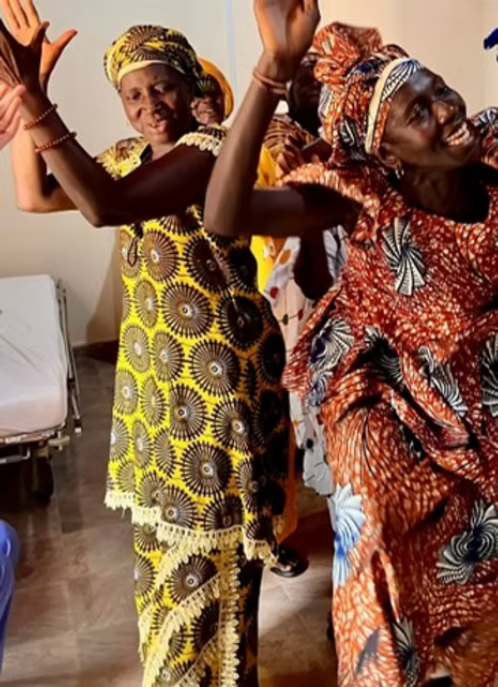
They use participatory song and dance to support women in their communities around reproductive health. For instance, they may bless a woman who is trying to conceive, ward off the ‘kuntofengo’ (a spirit who is thought to cause pregnancy loss) and are a central part of infant naming ceremonies.
The musical practices of the Kanyeleng are known in the Mandinka language by the term ‘Tulungo’ which means play; the use of joking and humour is a central part of the practice. They have earned the appreciation and affection of local communities, which is recognized by the Gambian Ministry of Health and Social Welfare, who now commission them to lead on public health campaigns. In these campaigns, they convey – through song – public health messages around topics that have included vaccinations, COVID safety or HIV awareness. Their role as health communicators, as well as their existing reputation as having important community knowledge and support around women’s health, provided the starting point for a co-developed group intervention to support women’s mental health in pregnancy.
The Kanyeleng in the Gambia are undoubtedly special, but they are not unique in terms of women’s groups or community health workers, who exist in communities where there are rich musical traditions that often intersect with health and social support. There is no ‘one size fits all’ approach, however, and our approach to developing CHIME in new settings is always to conduct formative work to understand the existing musical traditions and practices before considering whether and how a cocreated version of CHIME could have impact in that setting.
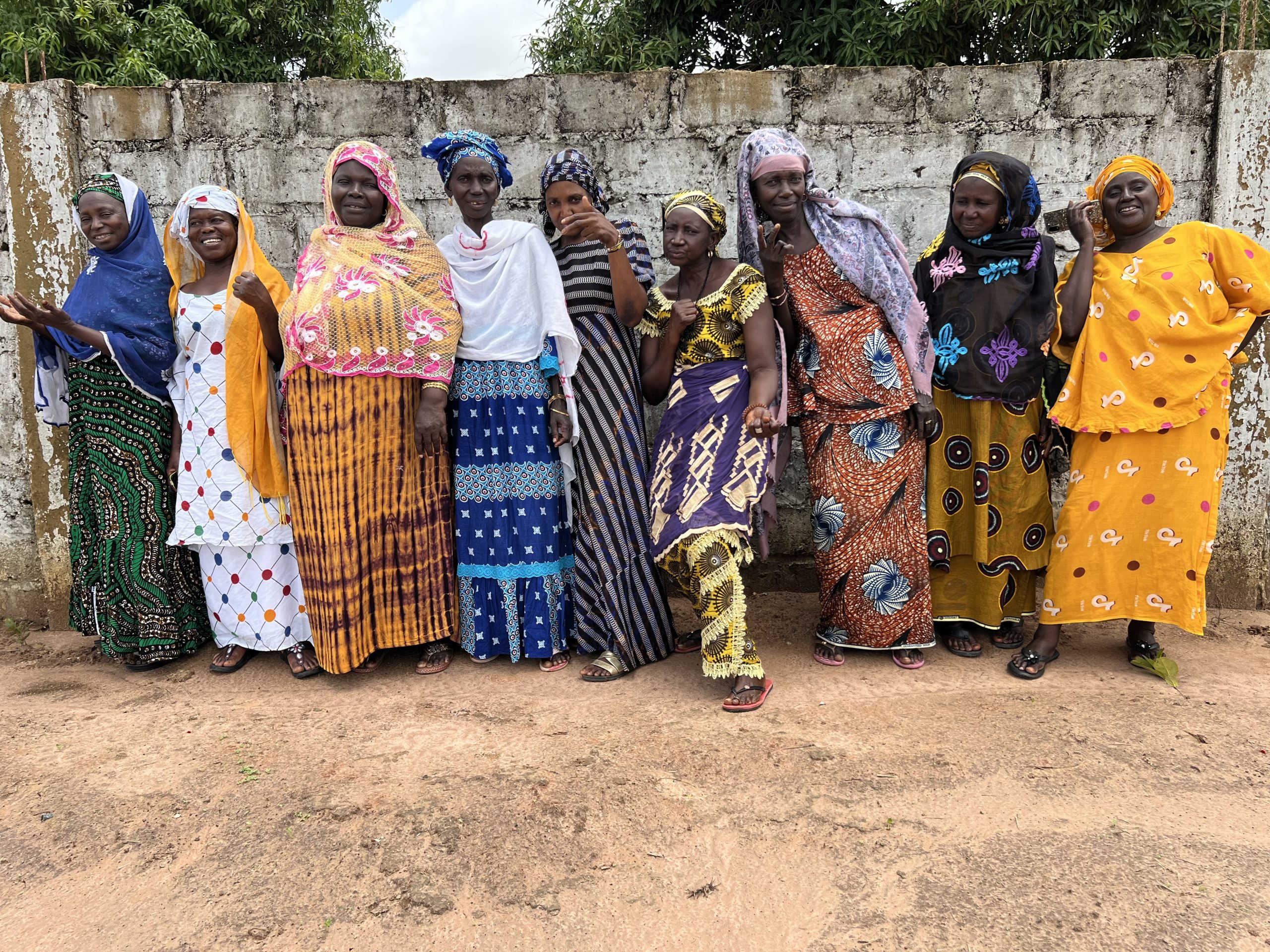
The CHIME project originated in The Gambia, West Africa, through collaborative, partnership building with local organizations, National Centre for Arts and Culture in the Gambia and the Ministry of Health and Social Welfare. Specifically, we were interested in the practices, rituals and traditions that involved local women’s groups termed Kanyeleng. These groups traditionally have lived experience of infertility or the loss of a child in the first year of life.
They use participatory song and dance to support women in their communities around reproductive health. For instance, they may bless a woman who is trying to conceive, ward off the ‘kuntofengo’ (a spirit who is thought to cause pregnancy loss) and are a central part of infant naming ceremonies.
The musical practices of the Kanyeleng are known in the Mandinka language by the term ‘Tulungo’ which means play; the use of joking and humour is a central part of the practice. They have earned the appreciation and affection of local communities, which is recognized by the Gambian Ministry of Health and Social Welfare, who now commission them to lead on public health campaigns. In these campaigns, they convey – through song – public health messages around topics that have included vaccinations, COVID safety or HIV awareness. Their role as health communicators, as well as their existing reputation as having important community knowledge and support around women’s health, provided the starting point for a co-developed group intervention to support women’s mental health in pregnancy.
The Kanyeleng in the Gambia are undoubtedly special, but they are not unique in terms of women’s groups or community health workers, who exist in communities where there are rich musical traditions that often intersect with health and social support. There is no ‘one size fits all’ approach, however, and our approach to developing CHIME in new settings is always to conduct formative work to understand the existing musical traditions and practices before considering whether and how a cocreated version of CHIME could have impact in that setting.